The operating context
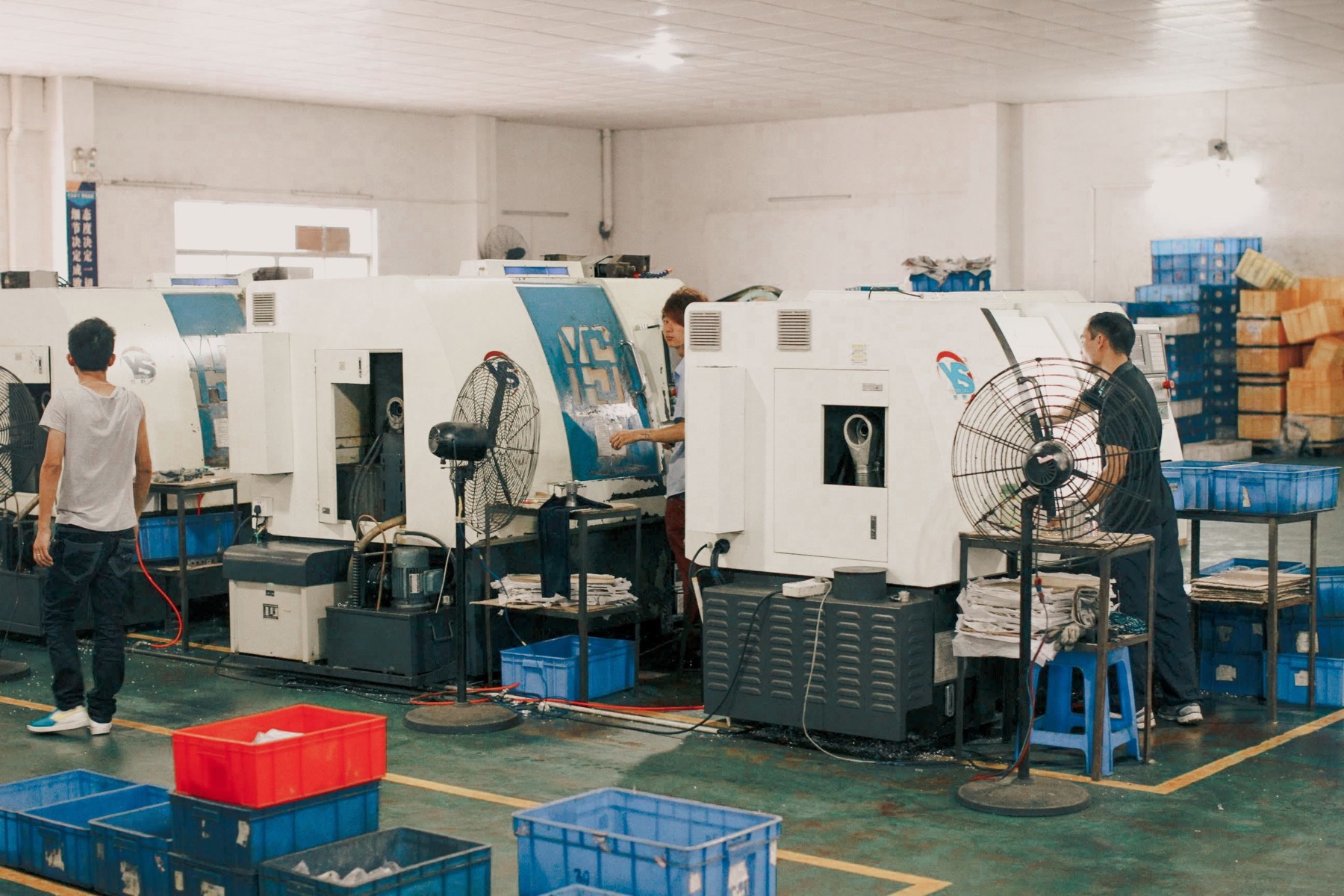
Manufacturing work crosses planning, production, quality, maintenance, and the warehouse. When each function carries a different version of the day, small deviations become expensive before anyone can see them clearly.
Manual work is not the problem. Risk appears when coordination depends on memory, scattered messages, and records that arrive too late.
- 01
Planning releases work against demand, material availability, and capacity assumptions.
- 02
The floor adapts in real time to stoppages, shortages, rework, and priority changes.
- 03
Production, quality, and maintenance record what happened in separate tools, sheets, or shift handovers.
- 04
Supervisors reconcile the real state after the fact, often when the next decision is already due.
Critical handoffs
Where work changes hands, risk changes with it.
These are the points where an operation needs shared context—not another conversation to reconstruct what happened.
- 01
Plan → floor
Released work needs to carry the current priority, material position, and constraint—not just a due date.
- 02
Floor → quality
Inspection and nonconformance need to change the next production decision while there is still time to act.
- 03
Floor → maintenance
A stoppage needs its operational consequence visible alongside the maintenance response.
- 04
Shift → shift
The next supervisor needs a usable state of the work, not a verbal reconstruction.
Operating control
Control the handoffs that decide the day.
A production system has to hold the plan, actual execution, and exceptions together—not ask leaders to reconstruct them from shifts and reports.
One current state for every order and constraint.
A visible path from floor event to quality or maintenance action.
Decisions grounded in the work that actually happened.
Where it breaks
Problems worth making visible.
Before changing tools, understand which decision, delivery, or payment is exposed when work breaks down.
- 01
Production status arrives after the decision window
The schedule may look intact while jobs wait for material, inspection, tooling, or a maintenance response on the floor.
- 02
Quality holds are disconnected from the plan
A nonconformance can be recorded, communicated, and resolved in different places, leaving downstream teams to discover its effect late.
- 03
Maintenance knowledge stays inside the shift
Symptoms, workarounds, and recurring causes travel through verbal handovers instead of a usable operational record.