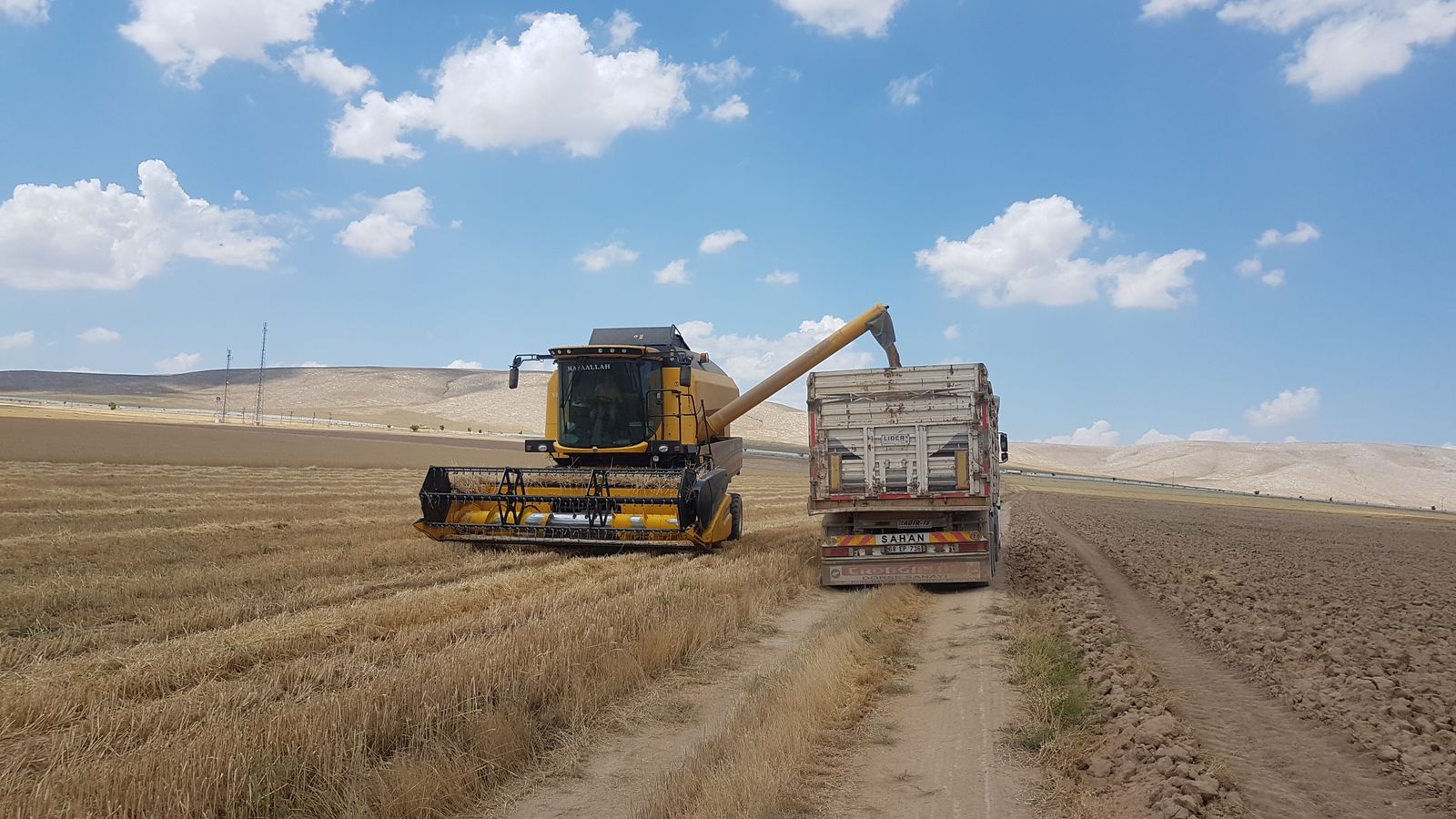
The operating context
Agriculture operates against weather, biology, field conditions, and narrow seasonal windows. Work moves across fields, machines, crews, contractors, storage, and buyers while the facts are often reported after the opportunity has passed.
Manual work is not the problem. Risk appears when coordination depends on memory, scattered messages, and records that arrive too late.
- 01
Plans begin with acreage, crop stage, inputs, equipment availability, and weather-dependent timing.
- 02
Field teams and contractors adapt work around conditions, access, machine availability, and the narrowest viable window.
- 03
Applications, harvest, movements, quality, and storage details are recorded in field notes, calls, messaging, and separate systems.
- 04
Managers reconcile what occurred across sites and assets to make the next operational, commercial, or compliance decision.
Critical handoffs
Where work changes hands, risk changes with it.
These are the points where an operation needs shared context—not another conversation to reconstruct what happened.
- 01
Plan → field
The day’s field plan needs to hold crop stage, input, machine, and weather context together.
- 02
Field → operations
Completed work, delays, and conditions must reach the next decision while the window remains open.
- 03
Machine → manager
Availability and breakdowns need to be visible against the work they put at risk.
- 04
Activity → traceability
Application, harvest, and storage facts need to be captured with the work, not reconstructed later.
Operating control
Protect the decision window.
The control point is a record that connects field activity, assets, and commercial consequences quickly enough to act while the season still allows it.
A current view of field work, machines, and constraints.
Traceability that is captured as work happens.
Operational decisions made before the window is gone.
Where it breaks
Problems worth making visible.
Before changing tools, understand which decision, delivery, or payment is exposed when work breaks down.
- 01
Field activity is reported after it needs to be managed
The office may learn about a delay, completed pass, or machine issue only after it has affected the next field decision.
- 02
Traceability is built from fragments
Input, application, harvest, and storage details can live in notebooks, operator memory, supplier documents, and disconnected files.
- 03
Seasonal exceptions have no time for slow reconciliation
Weather shifts, breakdowns, or quality changes require a shared view quickly because the operating window does not wait.