Layer / 01

Engineering for real operations
Get your operation under control.
Operational visibility
See what is happening and what needs attention.
Workflow control
Recurring work gets clear states, owners, and next steps.
Connected information
One trustworthy operating base instead of scattered context.
The operating problem
The work that keeps the business moving is often the least visible.
As an operation grows, the important work starts happening between the tools: in messages, spreadsheets, calls, and people carrying context forward by hand.
What this looks like
- Teams reconstruct status instead of seeing it.
- Follow-up becomes work in its own right.
- Key people become the connection between systems.
Handoff map / current state
UnresolvedThe problem is not a lack of effort. The operation has outgrown the way its work is being held together.

Operating base / intended state
Target stateWork can move without chasing it
The next step, the owner, and the context are clear.
Frame designs the operating system around the real handoffs, decisions, and constraints of the work—not an abstract ideal.
Clarity before automationWhat changes
The operation has a place to hold its work.
The goal is not another layer of software. It is a trustworthy base for the work already carrying the business forward: one where the next step, the owner, and the context are clear.
- 01
Connected information
The facts needed to move a request forward travel with the work.
- 02
Visible responsibility
People can see what is waiting, what changed, and who owns the next move.
- 03
Room to evolve
Improvements become deliberate changes to the system, not new workarounds.
FrameOperating architecture
Layer / 02
Agentic
Layer / 03
Orchestration
One operating model, expressed at the right level of control.
How Frame builds
Build the system from the work upward.
We do not place automation on top of scattered work. A dependable operation starts with a trustworthy base, then grows only as the work needs it.
- 01
Context layer
A trustworthy base
The information spread across spreadsheets, messages, paper, and disconnected tools becomes one connected operating record.
- 02
Agentic layer
Work moves where it safely can
Rules handle the repeatable work. Judgment is used only where the operation actually needs it.
- 03
Orchestration layer
People can see and steer the whole
The team has a clear view of what is happening and where to intervene—without chasing context across the business.

The work determines the system
BUILD FOR THE HANDOFFS THAT CARRY THE BUSINESS.
The useful system begins with a real operating constraint—not a category of software.
Where we can help
Systems for the work that has to hold.
Frame starts with the operational bottleneck, then builds the right system around it. These are outcome families—not products to buy off the shelf.
STATUS / OWNER / EXCEPTION
Operational visibility
See what is happening, who owns it, and where work needs attention.
STATE / RULE / HANDOFF
Workflow control
Give recurring work clear states, responsibilities, rules, and next steps.
CONTEXT / RECORD / DECISION
Connected information
Bring scattered context and duplicate data into one trustworthy operating base.
REPEAT / REVIEW / RELEASE
Automation where it is safe
Remove repeatable manual work only once the underlying process is understood.
Industries
Built for operations where the real work happens.
The operating shape is often recognizable before the industry is. We work where coordination, timing, and conditions carry real consequences.
Explore industries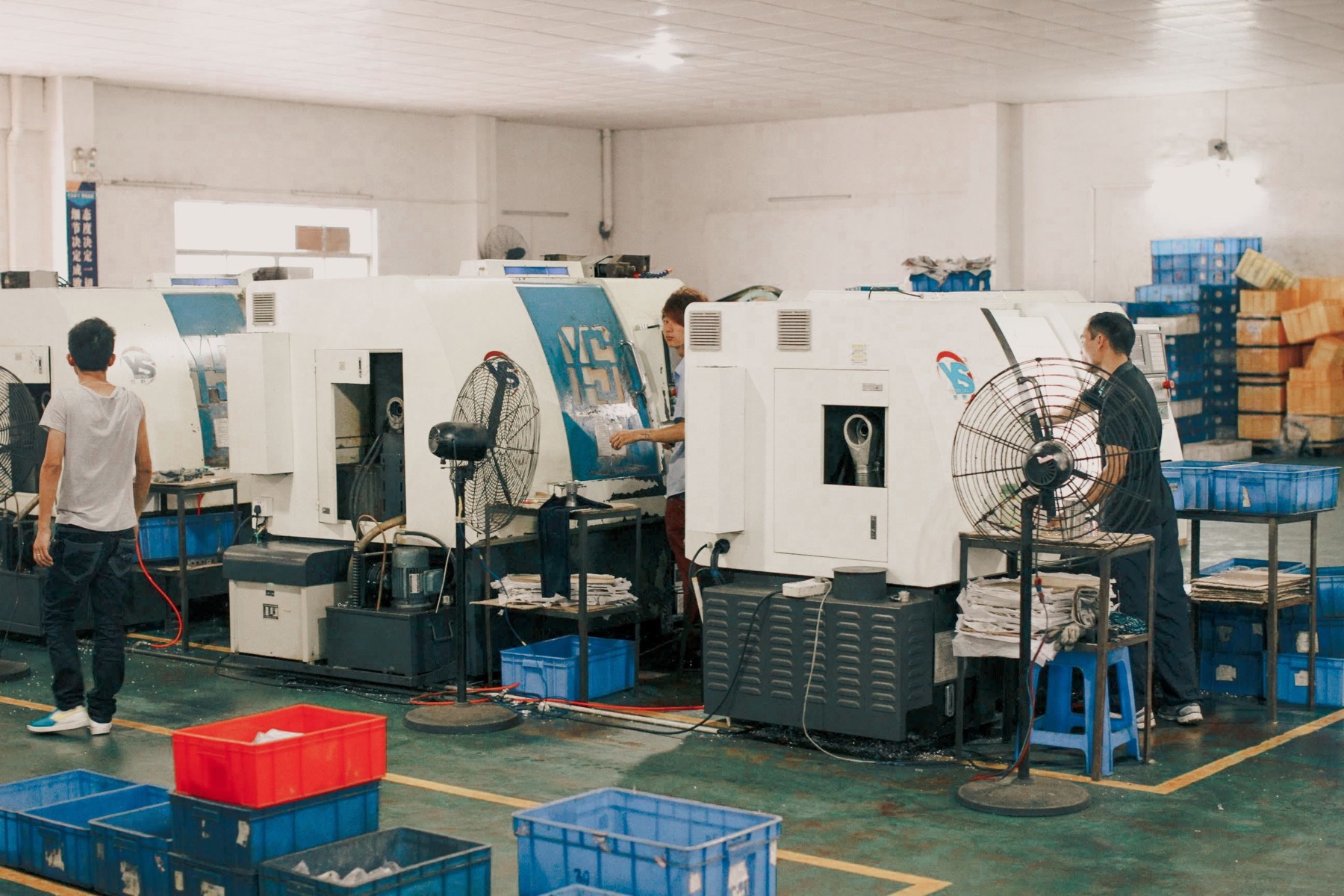
01Industry
Manufacturing
Production, planning, quality, and maintenance have to stay in step.
View industry
02Industry
Distribution
Orders, inventory, and exceptions need one reliable operating view.
View industry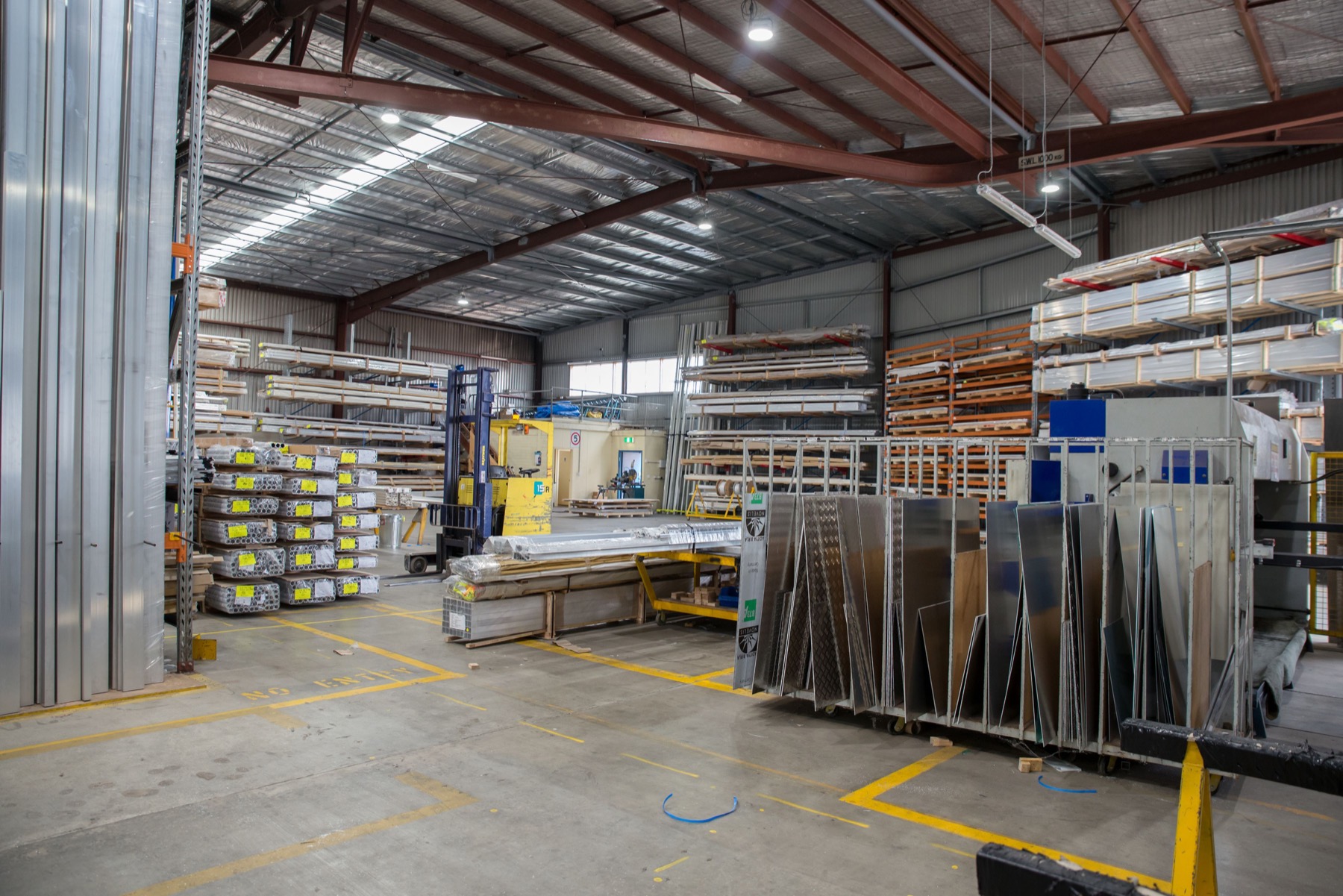
03Industry
Logistics
Dispatch decisions move across people, vehicles, and changing conditions.
View industry
04Industry
Construction
The job moves between site, office, suppliers, and crews.
View industryHow the relationship begins
Start with the work as it really happens.
01
Understand the operation
Follow the real handoffs, decisions, and constraints—not an idealized process.
02
Return the Operation Map
A written account of what we understood, handed over whether or not we continue together.
03
Decide on one meaningful move
Only then decide whether a narrow system is warranted before asking for a larger commitment.
Frame / contact
Open inquiry
A serious first conversation
Bring us the work that cannot keep running on memory.
We begin with the real bottleneck—not a preselected solution—and determine whether it merits serious engineering attention.